

The world’s kitchens are getting greener. Clever homeowners are now opting for eco-friendly kitchen gadgets that protect the planet and save money. These environmentally friendly tools minimize waste, lower energy bills, and make cooking feel better.
Long gone are the days when being green required a sacrifice in the convenience department. The usable kitchen products of today outperform disposables. Everything from silicone food wraps to bamboo cutting boards, these newfangled items have the power to change the way we cook and store our food.
This ultimate guide tells you 14 best sustainable kitchen tools to be used online in 2025. You’ll find out which gadgets actually add real value, and learn how to make smart decisions for your home.
Why Should You Swap to Eco-friendly Kitchen Tools?
Environmental Benefits That Matter
Millions of tons of waste are produced by kitchens every year. Single-use items such as plastic wrap, paper towels and disposable containers quickly fill landfills. Eco-friendly kitchen gadgets address this issue by providing years of use rather than minutes.
Consider these impressive statistics:
- Each reusable silicone bag saves thousands of single use plastic bags from ending up in our oceans or landfills.
- Bamboo utensils can be the utensils to last 5-10 times longer than plastic utensils.
- Stainless steel straws get rid of thousands of plastic straws per household
Money-Saving Advantages
Sustainable appliances are more expensive than products that are designed to be thrown away in the first place. But, they do quickly amortize through use. A $20 set of glass containers is hundreds of dollars cheaper than purchasing disposable containers every month.
Health and Safety Improvements
A lot of what we use in the kitchen is filled with chemicals. Plastic containers leach food toxins. Non-stick coatings produce toxic fumes when they over heat. Green gadgets utilize safer materials such as glass, bamboo, and food-grade silicone.
The Best Green Kitchen Solutions – Top Categories
Food Storage Revolution
Glass Container Systems
Glass containers are taking the storage world by storm! They’re 100% non-toxic, can go in the microwave, and are dishwasher-friendly. And because glass won’t absorb odors or stains, it will become one of your most used kitchen essentials.
Popular options include:
- Borosilicate glass collection with airtight lid
- Rectangular shape is stackable and ideal for space saving
- Portion-control containers for meal prep
Silicone Food Wraps and Covers
These stretchy substitutes for plastic wrap form airtight seals around bowls, fruit and vegetables. They can be used over and over again, thousands of times even, and come in a variety of sizes.
Benefits include:
- Freezer and oven safe up to 400 degrees
- Easy cleaning in dishwashers
- Clear visibility of stored contents
Reusable Home Products for Everyday Life
Bamboo Cutting Board Collections
Bamboo grows 30 times faster than hardwood trees. This is what makes bamboo cutting boards so highly sustainable. They’re naturally antimicrobial, and more gentle on knife blades than plastic boards.
Key features:
- Self-healing surface that resists scratches
- Lightweight yet durable construction
- Natural resistance to bacteria and humidity
Stainless Steel Utensil Sets
Instead of thin, flimsy plastic utensils that easily break, sturdy steel utensils are used. These are great for lunches to go, camping or a daily meal.
Essential pieces include:
- Travel sizes of forks, knives and spoons
- Chopsticks with ergonomic designs
- Cooking serving spoons and tongs
Innovative Cleaning Solutions
Swedish Dishcloths
These super-absorbent cloths replace as many as 15 rolls of paper towels. Constructed from cellulose and cotton, they are 100% compostable at the end of their life.
Advantages:
- Absorb 15 times their weight in liquid
- Washable and reusable up to 200 times
- Quick-drying to prevent bacteria growth
Bamboo Scrub Brushes
Conventional plastic brushes release microplastics into waterways. The bamboo options have natural bristles that offer a thorough clean without any harm to the environment.
Intelligent Sustainable Appliances for Modern Kitchens
Energy-Efficient Cooking Devices
Induction Cooktops
These zero-emission kitchen tools don’t need gas to get things cooking; they use electromagnetic energy to warm up pots or pans directly. They’re 85% more energy efficient than gas stoves and 50% more efficient than electric coils.
Benefits include:
- Temperature control for improved cooking results
- Faster heating and cooling times
- Safer operation with cool-to-touch surfaces
Multi-Functional Pressure Cookers
Electric pressure cookers cut down on cooking time by 70% while consuming less energy. They take the place of several appliances, which not only leads to less clutter on the counter top and reduced energy usage.
Popular features:
- Programmable settings for different foods
- Slow cooking and steaming capabilities
- Automatic pressure release for safety
Water Conservation Tools
High-Efficiency Dishwashers
The average automatic dishwasher uses 3-5 gallons per load, while hand washing can use up to 27 gallons per load. Find an ENERGY STAR certified model that not only saves water but also electricity.
Smart Faucet Attachments
These add air into streams of water to cut flow by 30% but not cleaning power. A few models even have built-in automatic shut-off sensors to eliminate waste.
Traditional Vs Eco-Friendly Options: A Comparison Table
| Item | Traditional Choice | Eco-Friendly Option | Longevity | Savings |
|---|---|---|---|---|
| Food Wrap | Plastic wrap | Silicone stretch lids | 1 use vs 5+ years | $200+ annually |
| Storage Bags | Zip-lock bags | Reusable silicone bags | 1 use vs 1000+ uses | $150+ annually |
| Paper Towels | Disposable rolls | Swedish dishcloths | 1 use vs 200+ washes | $100+ annually |
| Plastic Utensils | Single-use plastic | Stainless steel set | 1 use vs 10+ years | $75+ annually |
| Cutting Boards | Plastic boards | Bamboo alternatives | 2-3 years vs 5-10 years | $50+ over time |
Selecting the Best Green Gadgets
Material Selection Guide
Different materials offer unique advantages. Here’s what to consider:
Glass: Great for food storage and baking. It’s non-toxic, recyclable, and dishwasher-safe. But it’s heavier and it can shatter if you drop it.
Bamboo: Use for cutting boards, utensils, and storage containers. It grows fast, is naturally resistant to bacteria and composts well. Certain pieces may require hand washing.
Silicone: Perfect for all sorts of flexible items, like food wraps, baking mats, and storage bags. The food-grade silicone is safe in all temperatures. Opt for platinum-cured for the best quality.
Stainless Steel: Great for utensils, straws, appliances. Not only is it incredibly durable, it’s also dishwasher safe and 100% recyclable. There are high upfront costs but if you can get past that, the savings mount quickly.
Quality Assessment Tips
Not all eco-friendly kitchen gadgets are made alike. Look for these quality indicators:
- Official certification (like FDA, LFGB, BPA-free labels)
- At least 1 year warranty period
- Positive reviews from verified purchasers
- Clear material composition information
- Responsible packaging using recycled materials
Budget-Friendly Shopping Strategies
You don’t have to make significant investments to start your journey to a sustainable kitchen. Try these approaches:
Replace when broken: When stuff breaks, replace it — but not until it does. Replace current products when they need to be replaced with more sustainable options.
Start with high-use items: Begin with the items in your home or office that you use most, such as food storage containers and cleaning cloths.
Buy in sets: You usually get a better deal per piece when you buy a full set than you do buying pieces individually.
Shop the sales and look for discounts: A lot of retailers will host seasonal promotions for their sustainable products. For the best deals on sustainable kitchen gadgets, check out Smart Living Dealz for exclusive offers and discounts.
Maintenance and Care for Longevity
Proper Cleaning Techniques
Every material has its own care requirements to optimize longevity:
Glass containers: Use non-scratch sponges. For tougher stains, soak in warm soapy water or apply baking soda paste.
Bamboo goods: Hand wash with soap and warm water. Regularly oil with food-safe mineral oil to prevent cracking and protect the wood.
Silicone products: These are generally dishwasher-safe on the top shelf. For heavy odors, pretreat with vinegar solution or baking soda paste before washing.
Stainless steel: Most pieces are dishwasher-safe. Hand dry to avoid water spots. For the toughest stains, use specialized cleaners.
Storage Best Practices
Good storage adds years to the life of reusable kitchen products:
- Store bamboo products indoors in dry locations with good air flow
- Layer glass containers with cushions between them
- Avoid sharp objects that can puncture silicone
- Arrange stainless steel utensils in drawer dividers to avoid scratching
Newest Sustainable Kitchen Technologies
Smart Home Integration
Today’s eco-friendly kitchen gadgets link to cell phones and home automation systems. Smart refrigerators keep tabs on expiration dates to cut down on food waste. Internet-connected dishwashers are programmed to run during off-peak energy hours to save money and relieve grid pressures.
Bio-Based Material Advances
New materials that won’t harm the environment:
- Mushroom-based packaging that’s fully compostable
- Seaweed-derived films for food wrapping
- Kitchen tools made out of recycled ocean plastic
Zero-Waste Movement Influence
The zero-waste kitchen inspires new design. New products help achieve zero waste at home:
- Odor-filtered compost bins
- Reusable produce bags for shopping
- Plastic-free dishwasher soap tablets and refill systems
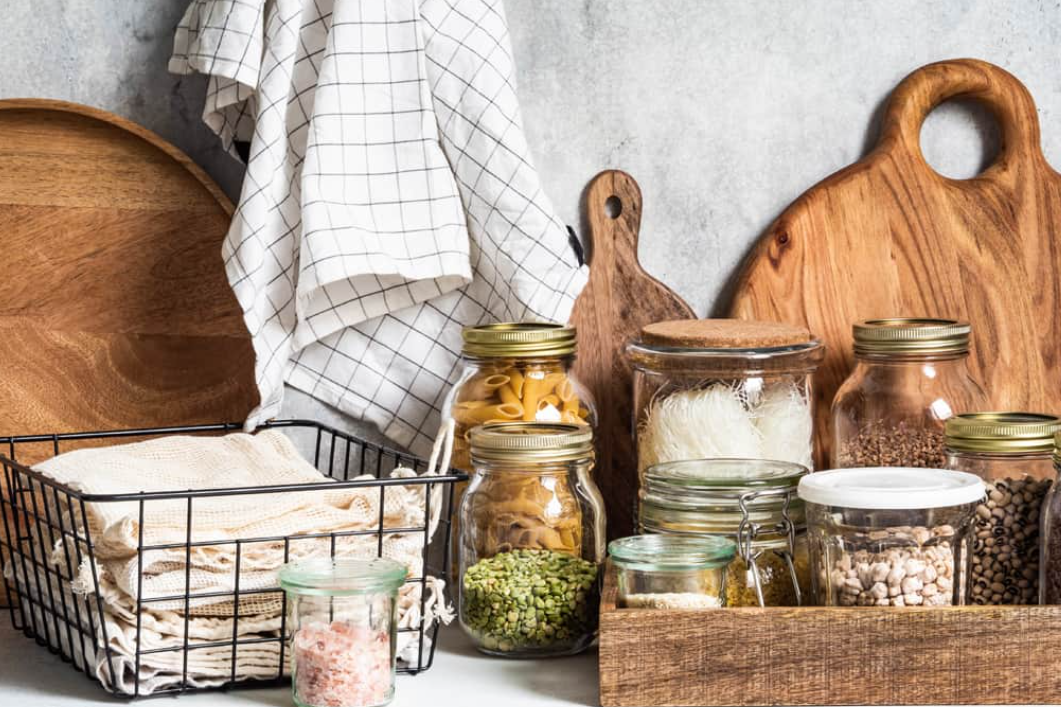
Eco-Friendly Reusable Kitchen Gadgets 2025
Establishing Your Sustainable Kitchen Action Plan
Phase 1: Evaluation and Planning (Month 1)
Take a hard look at your kitchen habits. Monitor how many single-use items you consume a week. Calculate how much paper towels, plastic bags and other disposable products cost you a year. This foundation will help determine which eco-friendly kitchen gadgets will save you the most money.
Phase 2: Basic Substitutions (Months 2-3)
Start with the items that you use every day:
- Use glass containers instead of plastic food storage
- Replace paper towels with reusable cleaning cloths
- Upgrade to bamboo cutting boards and utensils
- Buy good reusable shopping bags
Phase 3: The Upgrade Stage (Months 4-6)
Add specialized sustainable appliances:
- Energy-efficient small appliances
- Water filters to stop buying bottled water
- Food scrap processing compost bins
- Smart power strips to prevent phantom electricity use
Phase 4: Fine Tuning and Habit Building
Focus on building sustainable routines:
- Plan cleaning routines for reusable objects
- Develop storage systems that encourage proper usage
- Track savings and environmental impact
- Share experiences with friends and family
Economic Impact of Going Green
Initial Investment Analysis
Most homes spend between $200-500 to start on their sustainable kitchen makeover. This purchase is fully recoverable within 12-18 months in disposable product savings.
Long-Term Financial Benefits
How much does sustainable cooking save the average family over 5 years?
- $800-1200 on disposable storage products
- $300-500 on paper towels and cleaning supplies
- $400-600 on disposable cutlery and plates
- $200-400 on utility bills with energy-efficient appliances
Resale Value Improvements
Homes with green features often sell more quickly, and for more money. Environmentally conscious buyers may be interested in energy-saving appliances and eco-friendly installations.
Frequently Asked Questions
Are green kitchen gadgets worth the extra money upfront?
Yes, absolutely. Sustainable products require more money upfront but save lots of money down the road. One $50 set of glass containers should replace hundreds of dollars’ worth of disposable alternatives. Most green kitchen gadgets will pay for themselves within a year.
How do I determine if a product is truly sustainable?
Look for third-party certifications such as ENERGY STAR, BPA-free labels or FSC certification for bamboo products. Research the manufacturer’s environmental policies and review ingredient lists. Be wary of products that make vague “eco” claims with no specifics.
Can bamboo cutting boards harbor germs?
Quality bamboo cutting boards are naturally antimicrobial. However, proper care is essential. Wash immediately after use, thoroughly dry, and oil with food safe mineral oil monthly. Replace boards that develop deep cracks or persistent odors.
How do I transition to sustainable appliances?
Replace products as they wear out rather than tossing products that still work. Look for ENERGY STAR certified models with the highest efficiency rankings when you’re shopping for new ones. Consider multi-function appliances that combine several separate units.
How is a silicone food storage bag different from a regular plastic bag?
Silicone bags are better in just about every way. They are good for thousands of uses and safe to use from freezer to oven and are completely non-toxic. They’re more expensive initially ($20-30 rather than $5 for plastic bags), but save money by eliminating the need for replacements.
Are sustainable cleaning products just as effective as traditional ones?
Many of today’s environmentally friendly cleaning products are just as effective as traditional options. Most clean better because they rely on concentrated formulas free of harsh chemicals that can harm surfaces. Swedish dishcloths, for example, are more absorbent than paper towels and last months longer.
The Kitchen of the Future Will Be Sustainable
Circular Economy Principles
There are growing signs of circular economy in kitchen design. Brands are developing products for optimal end-of-life recycling or composting. Some companies have take-back programs, turning old products into raw materials for new items.
Modular and Repairable Systems
The green kitchen gadgets of the future will be modular, enabling parts replacement rather than throwing products in the landfill. From daily washing to meal prep equipment with replaceable parts, this significantly lengthens the life of products, reducing waste over time.
Carbon-Neutral Manufacturing
Manufacturers commit to carbon-neutral manufacturing. They adopt renewable resources, sustainable materials, and efficient shipping to reduce environmental footprint across products’ life cycles.
Making the Switch: What To Do Next
Turning your kitchen into an eco-friendly one takes time. Begin with one or two impactful changes. First, replace your most-used disposable items and gradually add to your collection of reusable kitchen products over time.
Know that every sustainable choice adds up. One household using eco-friendly kitchen items saves thousands of disposables from landfills every year. Your choices encourage friends, family and neighbors to take the same steps.
The kitchen is the heart of a home. With environmentally friendly tools and appliances that are sustainable, you create a healthier place for your family and future generations. There’s a vast selection of options, so you can choose eco-friendly alternatives that fit your cooking style, budget, and aesthetic perfectly.
Get started on your green kitchen journey today. Your wallet, your health and the environment will thank you for years to come.